Chatbot Project Management Framework
« What decisions, tasks, or frustrations is this chatbot supposed to improve for people? »
— nambo yang, first question to ask
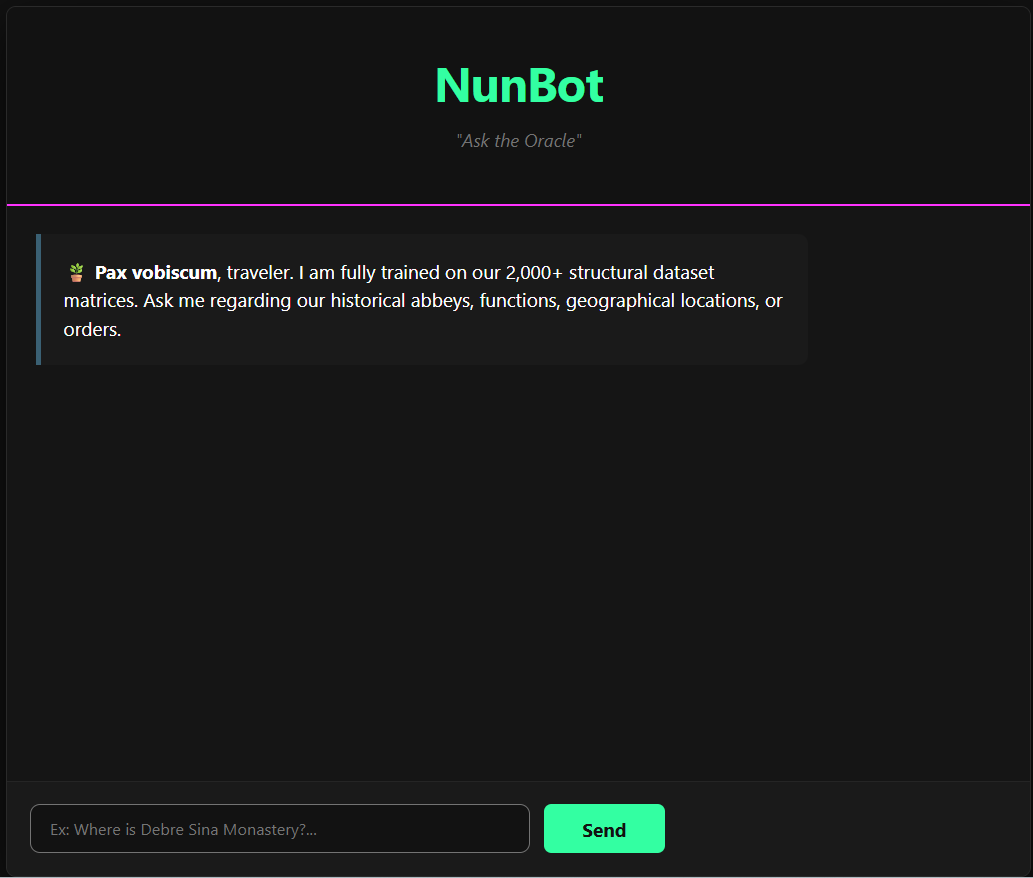
Project Overview
Project Management Approaches: This project applies stakeholder-centric delivery, predictive planning for core milestones, and adaptive execution for prompt refinement, testing, and usability improvement. Governance is integrated from the beginning to support data protection, scope control, and responsible AI use.
Functional Responsibilities: The project requires strategic leadership, cross-functional coordination, scope integration, governance design, risk management, implementation planning, and stakeholder engagement. Financial management is based on a cost-minimization approach using free and open-source tools.
Objective: Build a chatbot capable of answering user questions using approved internal content only, with clear and relevant responses, controlled behavior, and a lightweight architecture. The solution must support practical knowledge access while maintaining low cost, protecting internal data, and remaining feasible to deploy and maintain with Python and Render.
Scope: The project includes requirements definition, solution design, chatbot workflow design, internal data preparation, Python-based application development, prompt engineering, response testing, user interface configuration, deployment on Render, and project documentation. It also includes the establishment of governance rules for data use, access boundaries, and maintenance responsibilities.
Sustainability Focus: The solution will prioritize simplicity, maintainability, controlled operating cost, and efficient use of available computing resources. Design choices will support long-term usability without dependence on paid tools, unnecessary complexity, or avoidable technical overhead. The project will also emphasize trustworthy outputs, practical transparency, and responsible handling of internal content.
Out of Scope: The project does not include enterprise-wide rollout, advanced analytics, multilingual expansion, integration with multiple external platforms, paid infrastructure, or large-scale production support. It also excludes the ingestion of public or unapproved data sources and any functionality that would require the project to move beyond free tools in the initial phase.
Initiation
Synthetic Project Charter: The project was initiated to address the need for faster, more reliable, and more traceable access to organizational knowledge through an intelligent conversational interface, while embedding sustainability principles from the outset across governance, technology choices, and user experience.
Objective: Build a chatbot able to answer user questions using trusted enterprise content with source citation, transparent logic, and predictable behavior, while promoting responsible AI practices, efficient system design, and long-term operational sustainability.
Scope: Architecture design, document ingestion logic, Python and LangChain orchestration, Databricks integration, prompt engineering, LLM evaluation, response-quality assessment, and sustainability-oriented design choices such as model efficiency, maintainable pipelines, governance rules, and human oversight mechanisms.
Sustainability Focus: The solution was designed not only for technical performance, but also for durability, trust, accessibility, controlled operating costs, and reduced unnecessary computation. This included selecting proportionate model configurations, defining monitoring and review processes, and ensuring the chatbot supports users without creating dependency, confusion, or opaque decision-making.
Out of Scope: Full enterprise-wide rollout, long-term support operating model, and non-priority use case expansion during the initial phase.
Initiation Stakeholder Framing
Sponsor
The sponsor defines the business need, target outcomes, and success rationale for the chatbot initiative. The sponsor also approves the scope boundaries, constraints, and acceptance criteria.
Business Users
Business users represent the primary audience for the chatbot and provide input on expected use cases, information needs, and usability expectations. Their feedback helps ensure that the solution addresses real access-to-information problems.
Technical Team
The technical team designs and implements the application architecture, data handling logic, chatbot interaction flow, deployment configuration, and testing approach. The team also ensures that the solution remains aligned with the free-tool constraint and internal data requirements.
Governance / Data Leads
Governance and data leads define what content may be used, how internal data must be protected, and what controls are required for appropriate chatbot behavior. They ensure that the solution respects internal policies and approved access boundaries.
Planning
The planning phase translates the project charter into a structured delivery approach with milestones, work packages, responsibilities, and validation criteria. Planning also confirms the minimum viable product scope, technical constraints, data readiness, and deployment assumptions.
Main Milestones
Work Breakdown Structure (WBS)
- 1. Project Initiation
- 1.1 Clarify business need and expected value
- 1.2 Define the project objectives, high-level scope, assumptions, constraints, and success criteria
- 1.3 Identify key stakeholders and confirm governance expectations
- 2. Solution Design
- 2.1 Design the chatbot architecture using free tools
- 2.2 Define data ingestion and retrieval logic for approved internal content
- 2.3 Establish response principles, prompt rules, and security boundaries
- 3. Development
- 3.1 Build the Python-based chatbot application
- 3.2 Prepare and connect internal data sources
- 3.3 Develop the user interaction flow and response generation logic
- 3.4 Configure the application for deployment on Render ang GitHub Page
- 4. Testing and Validation
- 4.1 Test functional behavior, usability, response relevance, and data boundary compliance
- 4.2 Validate that the chatbot only uses approved internal content and performs as expected for the defined use cases
- 5. Deployment and Closure
- 5.1 Prepare the pilot deployment environment
- 5.2 Document the solution, known limitations, and operational guidance
- 5.3 Conduct stakeholder review and capture lessons learned for future enhancement
Execution
Execution follows an incremental delivery model that combines application development, response refinement, internal testing, and stakeholder validation. Progress is monitored through completion of planned deliverables, response quality, deployment readiness, and compliance with scope and governance constraints.
Agile Artifact – Product Backlog
| ID | User Story | Priority | Status |
|---|---|---|---|
| US1 | As a user, I want to ask questions in natural language and receive clear answers based on internal content. | High | Done |
| US2 | As a business user, I want the chatbot to help me find relevant information faster than manual search. | High | Done |
| US3 | As a project team member, I want the application to be built with Python and deployed on Render using free tools only. | High | Done |
| US4 | As a governance stakeholder, I want the chatbot to use approved internal data only. | High | Done |
| US5 | As an administrator, I want the chatbot behavior to remain predictable and easy to maintain. | Medium | Planned |
| US6 | As a sponsor, I want a pilot-ready solution that demonstrates value without paid infrastructure. | High | Done |
Execution Highlights
- Architecture Delivery: The project establishes a lightweight internal chatbot framework that supports conversational access to approved knowledge sources.
- Model Evaluation: Development focuses on practical functionality, low-cost deployment, and a maintainable architecture.
- Prompt Engineering: Prompt refinement and testing are used to improve relevance, clarity, and consistency of responses.
- Industrialization: Deployment preparation emphasizes feasibility within Render constraints and compliance with internal data handling expectations.
Closure
The closure phase consolidates outcomes, documents final deliverables, confirms acceptance status, and records lessons learned. Closure also provides a basis for future decisions regarding scaling, feature enhancement, governance maturity, and possible transition to a more robust environment if justified later.
Lessons Learned
- Evaluation Must Start Early: Scope discipline is critical when working with limited resources and free tools.
- Data Quality Drives chatbot Value: Data quality has a direct impact on chatbot value and response reliability.
- Prompting Needs Governance: Governance must be defined early to ensure that internal data remains protected and that chatbot behavior stays within approved boundaries.